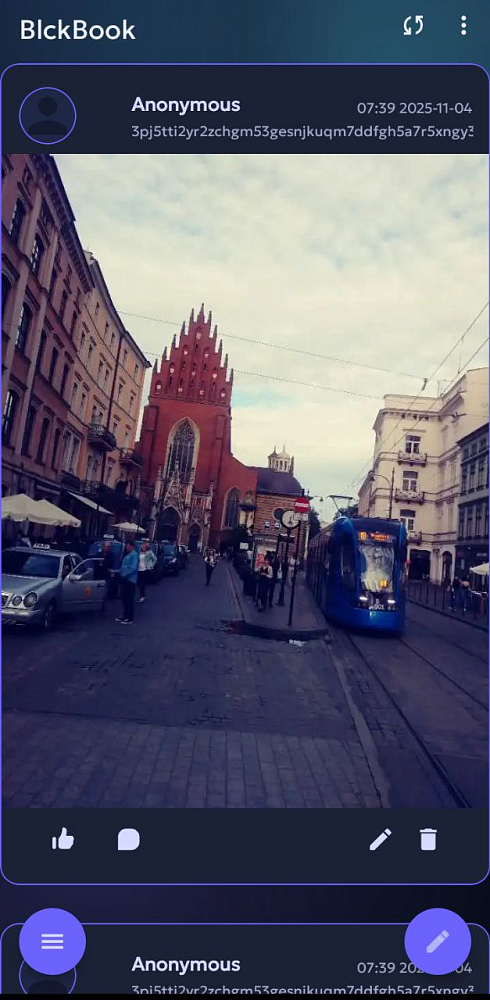
It contains a breakthrough combination of technologies: Snowflake + Conjure + obfs4 + 6 built-in Tor engines + 1 Tor service that turns the application into a mobile node + i2p + UDS (unix domain socket) + ZeroMQ to implement mixnet over Tor&i2p + libnflog to monitor route performance and switch to another protocol/engine in case of emergency. The application performs all manipulations automatically, meaning that the user does not need to enter anything to switch between routes, change protocols, and bypass censorship or blocking. The user sees an interface that is as familiar as possible for social networks.
Each of the 6 Tor engines is configured to work with three integrated protocols and one internal protocol. The messenger implements the Mixnet concept, in which the text of a message is broken up and mixed before being sent to the recipient so that to an outside observer, the text appears to be a random set of letters. The application uses 6 Tor engines, each of which works with all of the specified protocols, but only one of the six is used at any given time.
As soon as the application detects an attempt to block or hack it, it launches a second engine and all traffic is redirected along a new hidden route using a different protocol, not to mention the logic when the application detects an attempt to block traffic/hack and the internal manager automatically starts using the second or third protocol of the first Tor engine.
The application implements the logic of automatically selecting a security protocol and engine based on external conditions. If an attack occurs and Tor goes down, the application activates the remaining engines. If, for some reason, all 6 Tor engines are brought down, the application launches the last I2P and works through this network as a backup. All 6 engines are local and do not depend on the Tor project.
Also, due to its built-in Tor service, the application turns into a mobile node, i.e., a client/server concept where the application simultaneously acts as an information exchange point and a reception point, which, with a set audience, forms a closed private network whose traffic is closed within this network (a certain number of smartphones) and cannot leave. Everything is designed so that communication works in critical conditions.
Even if all i2p/Tor nodes suddenly crash, it will not stop working, as it is designed for complete autonomy and the formation of an internal similar network without dependence on external networks.
Bot integration has also been implemented. Currently, three types of bots are integrated: one is responsible for accepting friend requests, the second bot is responsible for automatic content publication, i.e., the client can be an automatic page that publishes content on a schedule, and the third is a chat bot.
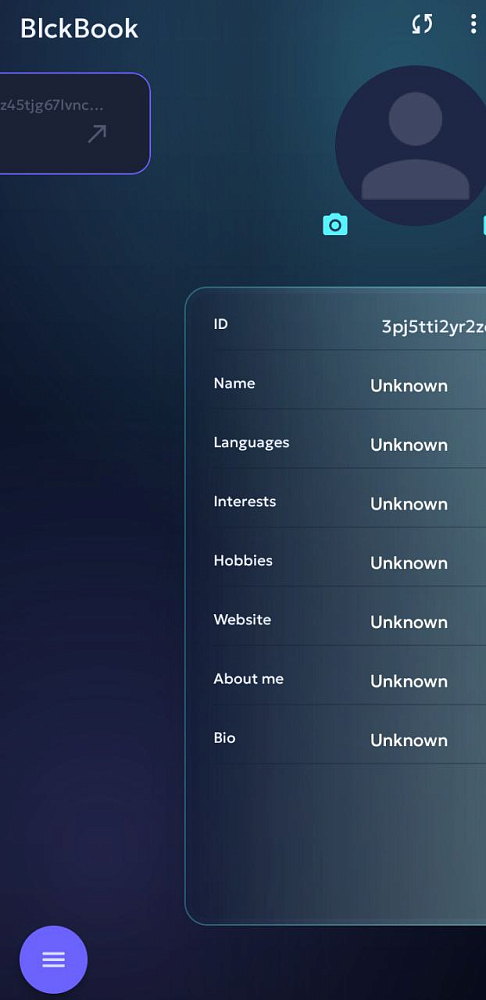
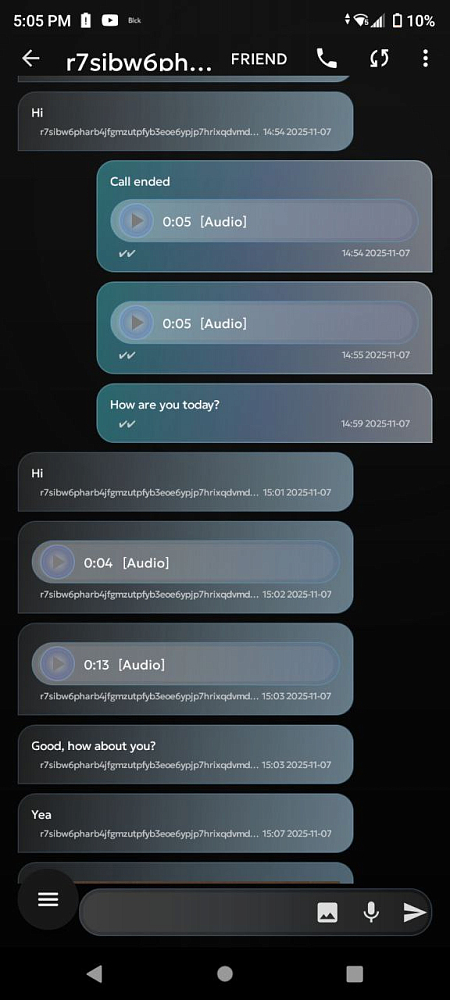
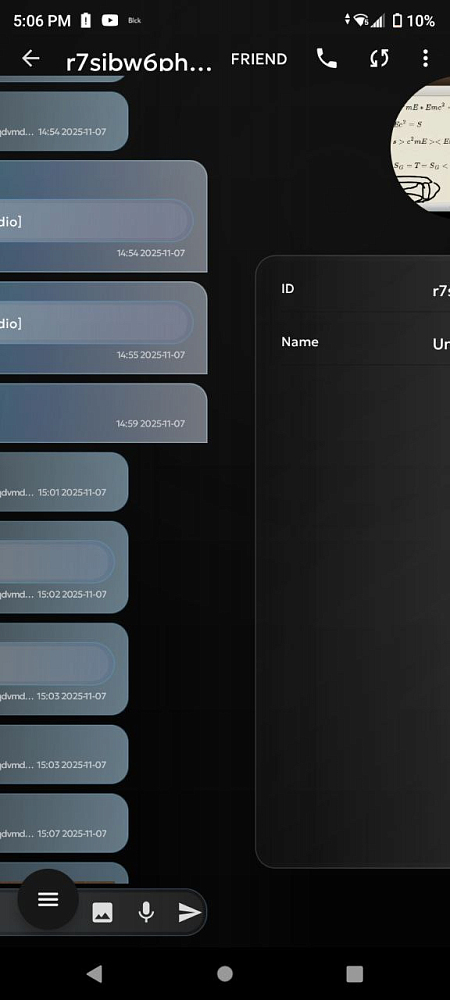
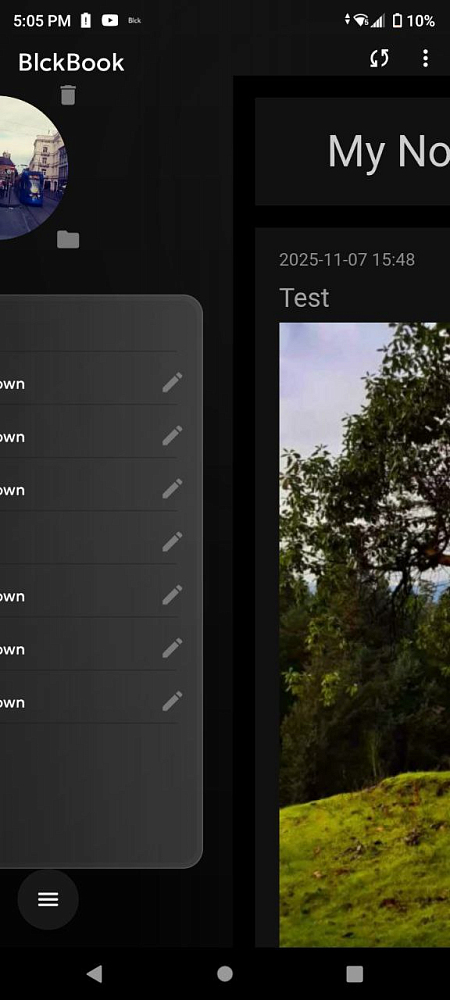
The version of the application that is already working has the basic elements: a personal page with the ability to post and repost media anonymously, friends, communication, the ability to maintain a personal blog, and much more. We are currently working on calls, comments, and stories.
There is no emphasis on Tor or I2p; for ordinary users, everything is as familiar as possible, but under the hood...
The full version of the app is released within three weeks/a month after the design is finalized and the rest of the functionality is implemented. I ran a test ad for a couple of hours and received feedback in the form of 2,000 potential users and traffic from 35 countries to the website from which it could be downloaded. The traffic lasted for a month after a couple of hours of advertising, just a quick ad showing what was in the works.