63855
Noah Mobile Care
NoaH Mobile Care eliminates the problems with ER care
USA, Florida
Market: Medicine
Stage of the project: Prototype or product is ready
Date of last change: 14.08.2025
USA, Florida
Market: Medicine
Stage of the project: Prototype or product is ready
Date of last change: 14.08.2025
Idea
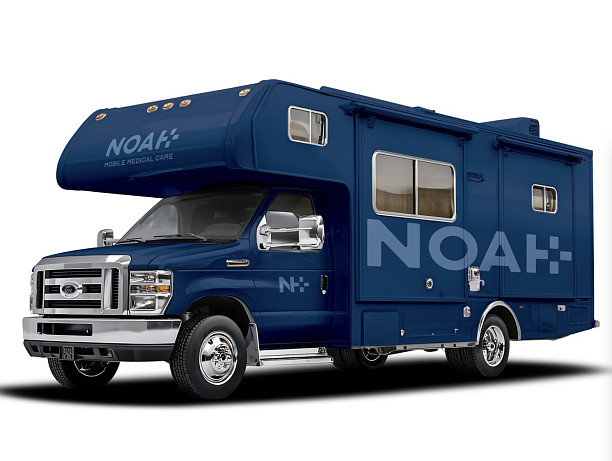
NoaH Mobile Care eliminates the long waits, surprise bills, and insurance hassles of ER and urgent care by delivering hospital-level treatment directly to your location. Our fully equipped mobile medical units—staffed by board-certified ER physicians—treat 70% of ER cases that aren’t life-threatening for a fixed $650 cash fee. Patients book through our app and receive care curbside within 30–60 minutes.
Current Status
Traction & Current Status
Funding: Raised $1.2M in pre-seed capital from strategic investors, covering initial operations, technology build, and first vehicle orders.
Technology: Beta version of NoaH Mobile Care app live — supports booking, GPS tracking, and secure payment processing.
Operations:
Secured bids for 5 licensed, fully equipped mobile medical units (first deliveries Q4 2025).
Ordered first 3 vans; procurement process underway for 2 additional RV units.
Partnerships:
Initiated collaborations with concierge physicians for early patient referrals.
Attended the first Emergency Medicine conference in Ft. Lauderdale, securing strong physician interest for recruitment.
Compliance: CLIA lab accreditation process in progress.
Go-to-Market Readiness: Vendor discussions completed for ERP & EMR integration; marketing agency engaged for brand launch strategy.
Funding: Raised $1.2M in pre-seed capital from strategic investors, covering initial operations, technology build, and first vehicle orders.
Technology: Beta version of NoaH Mobile Care app live — supports booking, GPS tracking, and secure payment processing.
Operations:
Secured bids for 5 licensed, fully equipped mobile medical units (first deliveries Q4 2025).
Ordered first 3 vans; procurement process underway for 2 additional RV units.
Partnerships:
Initiated collaborations with concierge physicians for early patient referrals.
Attended the first Emergency Medicine conference in Ft. Lauderdale, securing strong physician interest for recruitment.
Compliance: CLIA lab accreditation process in progress.
Go-to-Market Readiness: Vendor discussions completed for ERP & EMR integration; marketing agency engaged for brand launch strategy.
Market
Customer Segments & Market
NoaH targets high-income, time-sensitive patients who value speed, privacy, and premium care — primarily Millennials, Gen Z, and affluent Gen X families in urban and suburban areas. Secondary segments include travelers, corporate executives, and clients of concierge physicians seeking high-touch urgent care.
Initial market focus: Affluent ZIP codes in Miami-Dade, Broward, and Palm Beach counties, representing ~0.25% of the total population, with a projected Serviceable Addressable Market (SAM) of ~$160M in year 1. Nationwide, the addressable market exceeds $8B within 5 years, driven by the $48B U.S. urgent care market and rising demand for concierge medicine.
NoaH targets high-income, time-sensitive patients who value speed, privacy, and premium care — primarily Millennials, Gen Z, and affluent Gen X families in urban and suburban areas. Secondary segments include travelers, corporate executives, and clients of concierge physicians seeking high-touch urgent care.
Initial market focus: Affluent ZIP codes in Miami-Dade, Broward, and Palm Beach counties, representing ~0.25% of the total population, with a projected Serviceable Addressable Market (SAM) of ~$160M in year 1. Nationwide, the addressable market exceeds $8B within 5 years, driven by the $48B U.S. urgent care market and rising demand for concierge medicine.
Problem or Opportunity
Over 70% of ER visits in the U.S. are not life-threatening and could be treated outside the hospital, yet patients still endure 2-4 hour waits, surprise bills, and frustrating insurance paperwork. High-income, time-pressed families and professionals often lack a premium, convenient alternative that delivers true hospital-level care without the inefficiencies of traditional emergency rooms or urgent care centers.
This creates a multi-billion-dollar opportunity to disrupt urgent care delivery with a mobile, physician-led, fixed-fee model that prioritizes speed, transparency, and quality, tapping into a growing consumer demand for concierge healthcare services.
This creates a multi-billion-dollar opportunity to disrupt urgent care delivery with a mobile, physician-led, fixed-fee model that prioritizes speed, transparency, and quality, tapping into a growing consumer demand for concierge healthcare services.
Solution (product or service)
NoaH Mobile Care delivers hospital-level urgent care directly to the patient’s location in fully equipped, physician-led mobile medical units. For a fixed $650 cash fee, patients receive diagnostics and treatments on-site, including X-rays, ultrasounds, EKGs, and lab work, without insurance delays, surprise bills, or paperwork. Booked via a mobile app with real-time vehicle tracking and a 30-60-minute service-level guarantee, NoaH provides the speed, transparency, and quality today’s patients demand while bypassing the inefficiencies of traditional ER and urgent care centers.
Competitors
Competitors:
DispatchHealth – Large, insurance-based mobile urgent care provider operating in multiple states. Focused on broad insurance acceptance and mid-level providers (NPs/PAs), rather than exclusively physician-led care.
Amazon Clinic / Amazon Care (legacy) – Telehealth-first model with some hybrid in-person elements. High brand recognition, but lacks fully equipped mobile units with hospital-grade diagnostics.
Traditional Urgent Care Centers – Physical locations with extended hours but no on-demand mobile response. Often involve long waits and surprise insurance bills.
Concierge Medical Practices – Premium, membership-based services offering house calls and telehealth, but typically without rapid deployment or full urgent care diagnostics onboard.
Existing Alternatives
Emergency Rooms – High cost, long wait times for non-critical issues, and complex insurance billing.
Brick-and-Mortar Urgent Care – Limited diagnostics, variable quality, and inconvenient travel/parking.
Telehealth Apps – Convenient for minor conditions but unable to handle advanced diagnostics or treatments requiring in-person care.
On-Demand House Call Services – Focus on general practitioners and basic care, often without advanced equipment like X-ray, ultrasound, or labs.
Noah’s Differentiation
100% board-certified Emergency Medicine physicians on every visit (no mid-level substitution).
Hospital-grade equipment onboard (X-ray, ultrasound, labs, EKG).
Fixed-fee cash model ($650) with transparent pricing.
Premium brand positioning targeting affluent households, travelers, and concierge networks.
30–60 min SLA in metro areas, enabled by geo-optimized fleet deployment.
DispatchHealth – Large, insurance-based mobile urgent care provider operating in multiple states. Focused on broad insurance acceptance and mid-level providers (NPs/PAs), rather than exclusively physician-led care.
Amazon Clinic / Amazon Care (legacy) – Telehealth-first model with some hybrid in-person elements. High brand recognition, but lacks fully equipped mobile units with hospital-grade diagnostics.
Traditional Urgent Care Centers – Physical locations with extended hours but no on-demand mobile response. Often involve long waits and surprise insurance bills.
Concierge Medical Practices – Premium, membership-based services offering house calls and telehealth, but typically without rapid deployment or full urgent care diagnostics onboard.
Existing Alternatives
Emergency Rooms – High cost, long wait times for non-critical issues, and complex insurance billing.
Brick-and-Mortar Urgent Care – Limited diagnostics, variable quality, and inconvenient travel/parking.
Telehealth Apps – Convenient for minor conditions but unable to handle advanced diagnostics or treatments requiring in-person care.
On-Demand House Call Services – Focus on general practitioners and basic care, often without advanced equipment like X-ray, ultrasound, or labs.
Noah’s Differentiation
100% board-certified Emergency Medicine physicians on every visit (no mid-level substitution).
Hospital-grade equipment onboard (X-ray, ultrasound, labs, EKG).
Fixed-fee cash model ($650) with transparent pricing.
Premium brand positioning targeting affluent households, travelers, and concierge networks.
30–60 min SLA in metro areas, enabled by geo-optimized fleet deployment.
Advantages or differentiators
Advantages and Differentiators
1. Physician-Led Excellence
Every visit is conducted by a board-certified Emergency Medicine physician — no mid-level substitution.
Aligns with high-income and corporate clients’ expectations for premium, top-tier medical care.
2. Full Hospital-Level Capability On Wheels
Mobile units equipped with X-ray, ultrasound, EKG, lab testing, and IV treatments — matching hospital diagnostic capacity curbside.
Eliminates the need for secondary facility visits, maximizing patient satisfaction and trust.
3. Transparent Fixed-Fee Model
$650 flat cash rate, no surprise bills, no insurance complexity.
Premium pricing that signals quality while simplifying decision-making for time-sensitive patients.
4. Speed and Reliability
30–60 minute SLA in metro areas via geo-optimized fleet deployment.
Dynamic dispatch algorithm to cluster calls and reduce idle time.
5. Premium Brand Positioning
White-glove, concierge-style service targeted to affluent households, travelers, corporate executives, and luxury hospitality networks.
Partnering with hotels, concierge MDs, and event organizers to embed NoaH as the “go-to” urgent care provider.
6. High Barriers to Entry
Complex integration of clinical operations, mobile logistics, technology, and regulatory compliance.
Difficult for traditional hospital chains to replicate due to reliance on insurance models and fixed locations.
7. Market Redefinition
Flipping three core industry assumptions:
Patients travel to the doctor → Doctor comes to the patient.
Insurance as default → Cash-first, transparent pricing.
Mobile clinics serve low-income populations → Premium brand for high-income clientele.
1. Physician-Led Excellence
Every visit is conducted by a board-certified Emergency Medicine physician — no mid-level substitution.
Aligns with high-income and corporate clients’ expectations for premium, top-tier medical care.
2. Full Hospital-Level Capability On Wheels
Mobile units equipped with X-ray, ultrasound, EKG, lab testing, and IV treatments — matching hospital diagnostic capacity curbside.
Eliminates the need for secondary facility visits, maximizing patient satisfaction and trust.
3. Transparent Fixed-Fee Model
$650 flat cash rate, no surprise bills, no insurance complexity.
Premium pricing that signals quality while simplifying decision-making for time-sensitive patients.
4. Speed and Reliability
30–60 minute SLA in metro areas via geo-optimized fleet deployment.
Dynamic dispatch algorithm to cluster calls and reduce idle time.
5. Premium Brand Positioning
White-glove, concierge-style service targeted to affluent households, travelers, corporate executives, and luxury hospitality networks.
Partnering with hotels, concierge MDs, and event organizers to embed NoaH as the “go-to” urgent care provider.
6. High Barriers to Entry
Complex integration of clinical operations, mobile logistics, technology, and regulatory compliance.
Difficult for traditional hospital chains to replicate due to reliance on insurance models and fixed locations.
7. Market Redefinition
Flipping three core industry assumptions:
Patients travel to the doctor → Doctor comes to the patient.
Insurance as default → Cash-first, transparent pricing.
Mobile clinics serve low-income populations → Premium brand for high-income clientele.
Finance
Revenue Streams
Fixed-Fee Patient Visits: $650 per visit (cash only), covering hospital-level urgent care delivered curbside.
Optional Out-of-Network Insurance Reimbursement: Additional revenue via patient-initiated claims.
Corporate & Event Contracts: On-demand medical services for events, hotels, and corporate wellness programs.
Subscription Plans (Future): Monthly memberships for priority access and bundled visits.
Strategic Partnerships: Revenue from collaborations with concierge physicians and luxury service providers.
Cost Structure
Customer Acquisition Costs (CAC): Starting at ~$150 per patient, projected to drop to $5–10 with scale and fleet growth.
Medical Staff: Compensation for board-certified ER physicians and paramedics/drivers.
Fleet Operations: Purchase/lease, maintenance, and insurance for mobile medical units.
Medical Supplies & Equipment: EKGs, X-rays, ultrasounds, diagnostics, and consumables.
Technology: Development and maintenance of the mobile app, EMR/ERP systems, and real-time tracking infrastructure.
Marketing & Sales: Digital advertising, influencer partnerships, and PR campaigns.
Overhead: Administrative staff, office space, compliance, and licensing costs.
Fixed-Fee Patient Visits: $650 per visit (cash only), covering hospital-level urgent care delivered curbside.
Optional Out-of-Network Insurance Reimbursement: Additional revenue via patient-initiated claims.
Corporate & Event Contracts: On-demand medical services for events, hotels, and corporate wellness programs.
Subscription Plans (Future): Monthly memberships for priority access and bundled visits.
Strategic Partnerships: Revenue from collaborations with concierge physicians and luxury service providers.
Cost Structure
Customer Acquisition Costs (CAC): Starting at ~$150 per patient, projected to drop to $5–10 with scale and fleet growth.
Medical Staff: Compensation for board-certified ER physicians and paramedics/drivers.
Fleet Operations: Purchase/lease, maintenance, and insurance for mobile medical units.
Medical Supplies & Equipment: EKGs, X-rays, ultrasounds, diagnostics, and consumables.
Technology: Development and maintenance of the mobile app, EMR/ERP systems, and real-time tracking infrastructure.
Marketing & Sales: Digital advertising, influencer partnerships, and PR campaigns.
Overhead: Administrative staff, office space, compliance, and licensing costs.
Business model
Business Model
NoaH Mobile Care operates a direct-to-consumer, fixed-fee model, charging $650 per visit for fully equipped, physician-led urgent care delivered curbside. We also build B2B partnerships with hotels, corporate wellness programs, and concierge medical practices to secure recurring, high-value patient flow. Long-term revenue expansion includes subscription care plans, corporate contracts, and special-event medical coverage.
Channels
Direct-to-Consumer Digital: Paid search, paid social, influencer campaigns, and SEO.
Hospitality & Concierge Networks: Partnerships with luxury hotels, concierge doctors, and premium real estate communities.
Corporate & Event Contracts: Employers, events, and premium venues for on-site urgent care services.
Physician Endorsements: Leveraging ER and concierge doctors as brand advocates.
Metrics (Initial 18–24 months focus)
Patient Volume per Unit per Day: Targeting 6 visits per unit within 6 months of launch.
Customer Acquisition Cost (CAC) vs. Lifetime Value (LTV): Aim for LTV at least 5x CAC.
Unit Utilization Rate: % of booked shifts vs. available shifts per vehicle.
App Downloads → First Appointment Conversion Rate: Core indicator of digital funnel effectiveness.
Repeat Visit Rate: Target 25%+ within 12 months.
Net Promoter Score (NPS): Maintain above 80 to reinforce premium positioning.
NoaH Mobile Care operates a direct-to-consumer, fixed-fee model, charging $650 per visit for fully equipped, physician-led urgent care delivered curbside. We also build B2B partnerships with hotels, corporate wellness programs, and concierge medical practices to secure recurring, high-value patient flow. Long-term revenue expansion includes subscription care plans, corporate contracts, and special-event medical coverage.
Channels
Direct-to-Consumer Digital: Paid search, paid social, influencer campaigns, and SEO.
Hospitality & Concierge Networks: Partnerships with luxury hotels, concierge doctors, and premium real estate communities.
Corporate & Event Contracts: Employers, events, and premium venues for on-site urgent care services.
Physician Endorsements: Leveraging ER and concierge doctors as brand advocates.
Metrics (Initial 18–24 months focus)
Patient Volume per Unit per Day: Targeting 6 visits per unit within 6 months of launch.
Customer Acquisition Cost (CAC) vs. Lifetime Value (LTV): Aim for LTV at least 5x CAC.
Unit Utilization Rate: % of booked shifts vs. available shifts per vehicle.
App Downloads → First Appointment Conversion Rate: Core indicator of digital funnel effectiveness.
Repeat Visit Rate: Target 25%+ within 12 months.
Net Promoter Score (NPS): Maintain above 80 to reinforce premium positioning.
Money will be spent on
Use of Funds – Initial $3M Raise
1. Fleet Acquisition & Outfitting – 40% ($1.2M)
Purchase and retrofit 5–8 fully equipped mobile medical units.
Install advanced diagnostic equipment (EKG, ultrasound, X-ray, bloodwork systems).
Customize interiors for physician-led urgent care delivery.
2. Technology Development – 25% ($750K)
Build HIPAA-compliant mobile app for booking, dispatch, and patient records.
Integrate EMS/CRM systems, GPS tracking, and telehealth capabilities.
Develop marketing website and backend analytics platform.
3. Staffing & Operations – 20% ($600K)
Recruit and onboard emergency physicians, paramedics, and clinical staff.
Hire operational leadership and support roles (medical director, logistics, admin).
Provide training, malpractice coverage (for those who opt in), and onboarding kits.
4. Marketing & Launch Campaign – 10% ($300K)
Partner with healthcare-specialized marketing agency.
Execute pre-launch awareness and influencer campaigns.
Digital advertising, PR, and concierge/hotel network outreach.
5. Regulatory, Legal & Compliance – 5% ($150K)
Healthcare regulatory filings, legal structuring, and compliance audits.
Trademark, brand protection, and insurance setup.
1. Fleet Acquisition & Outfitting – 40% ($1.2M)
Purchase and retrofit 5–8 fully equipped mobile medical units.
Install advanced diagnostic equipment (EKG, ultrasound, X-ray, bloodwork systems).
Customize interiors for physician-led urgent care delivery.
2. Technology Development – 25% ($750K)
Build HIPAA-compliant mobile app for booking, dispatch, and patient records.
Integrate EMS/CRM systems, GPS tracking, and telehealth capabilities.
Develop marketing website and backend analytics platform.
3. Staffing & Operations – 20% ($600K)
Recruit and onboard emergency physicians, paramedics, and clinical staff.
Hire operational leadership and support roles (medical director, logistics, admin).
Provide training, malpractice coverage (for those who opt in), and onboarding kits.
4. Marketing & Launch Campaign – 10% ($300K)
Partner with healthcare-specialized marketing agency.
Execute pre-launch awareness and influencer campaigns.
Digital advertising, PR, and concierge/hotel network outreach.
5. Regulatory, Legal & Compliance – 5% ($150K)
Healthcare regulatory filings, legal structuring, and compliance audits.
Trademark, brand protection, and insurance setup.
Offer for investor
Investor Offer – NoaH Mobile Care
Round Type: Pre-Seed (First Close of $3M Total Seed Raise)
Valuation: $10M pre-money
Securities: Common Shares
Minimum Investment: $100,000
Closing Target: November 2025
Terms & Structure
Price per Share: $25,000
Equity Offered This Round: ~30% ownership for $3M
Pro-Rata Rights: Investors have the right to participate in future funding rounds to maintain their ownership percentage.
Round Type: Pre-Seed (First Close of $3M Total Seed Raise)
Valuation: $10M pre-money
Securities: Common Shares
Minimum Investment: $100,000
Closing Target: November 2025
Terms & Structure
Price per Share: $25,000
Equity Offered This Round: ~30% ownership for $3M
Pro-Rata Rights: Investors have the right to participate in future funding rounds to maintain their ownership percentage.
Team or Management
Risks
Risks & Mitigation Strategies
1. Delayed Funding Impacting Operational Rollout
Risk: Lack of timely capital could slow vehicle deployment, staffing, and launch readiness.
Mitigation: Maintain a committed investor pipeline with phased capital drawdowns tied to milestones. Negotiate flexible vendor payment terms and consider leasing to reduce upfront costs.
2. Technology Integration Delays
Risk: Extended EMS/CRM integration timelines could impact launch date.
Mitigation: Build modular, API-ready architecture. Engage integration partners early and prioritize core features for go-live, with non-essential features phased in post-launch.
3. Weak Early Market Adoption
Risk: Ineffective early messaging could limit brand awareness and patient adoption.
Mitigation: Partner with a healthcare-specialized marketing agency, pre-test messaging through A/B campaigns, and leverage influencer and concierge physician endorsements.
4. Supply-Demand Imbalance
Risk: Initial demand could outpace available fleet, leading to service delays.
Mitigation: Pre-order additional units as soon as utilization rates hit trigger points; deploy vehicles in high-demand ZIP codes first; maintain a rental or partner vehicle contingency.
5. Regulatory and Compliance Risk
Risk: State-by-state differences in mobile healthcare regulations may slow geographic expansion.
Mitigation: Engage healthcare regulatory counsel early; build scalable compliance protocols; pilot in Florida before expanding to other states
1. Delayed Funding Impacting Operational Rollout
Risk: Lack of timely capital could slow vehicle deployment, staffing, and launch readiness.
Mitigation: Maintain a committed investor pipeline with phased capital drawdowns tied to milestones. Negotiate flexible vendor payment terms and consider leasing to reduce upfront costs.
2. Technology Integration Delays
Risk: Extended EMS/CRM integration timelines could impact launch date.
Mitigation: Build modular, API-ready architecture. Engage integration partners early and prioritize core features for go-live, with non-essential features phased in post-launch.
3. Weak Early Market Adoption
Risk: Ineffective early messaging could limit brand awareness and patient adoption.
Mitigation: Partner with a healthcare-specialized marketing agency, pre-test messaging through A/B campaigns, and leverage influencer and concierge physician endorsements.
4. Supply-Demand Imbalance
Risk: Initial demand could outpace available fleet, leading to service delays.
Mitigation: Pre-order additional units as soon as utilization rates hit trigger points; deploy vehicles in high-demand ZIP codes first; maintain a rental or partner vehicle contingency.
5. Regulatory and Compliance Risk
Risk: State-by-state differences in mobile healthcare regulations may slow geographic expansion.
Mitigation: Engage healthcare regulatory counsel early; build scalable compliance protocols; pilot in Florida before expanding to other states
Incubation/Acceleration programs accomplishment
N/A
Won the competition and other awards
N/A
Photos

Presentation
Sign in/Sign up