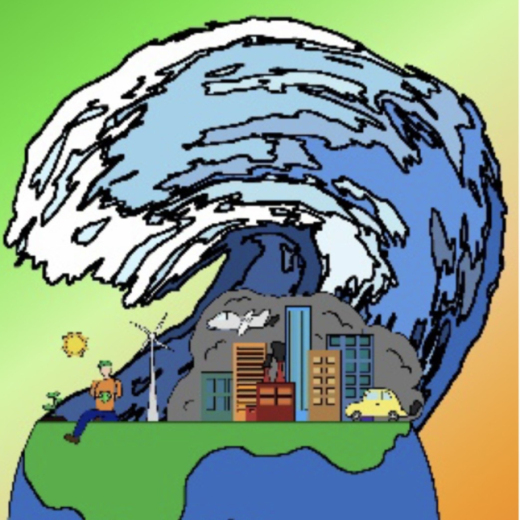
40% of the world’s population live in coastal areas, along with significant assets. GSLRM is a supermodel aggregating multiple sources, models, and scenarios across time and space for decision makers.
Current Status
Building upon Probabilistic Sea-Level Rise Hazard Analysis (PSLRHA), GSLRM translates knowledge and data into risk-informed decisions. E.g., SLR statement at the Global Platform for Disaster Risk Reduction MSP4: Harnessing strategic foresight and innovation to accelerate DRR for future generations | UNDRR. https://m.youtube.com/watch?v=XiFiazkczAc&t=5510s&pp=2
Problem or Opportunity
What does it take to save communities from sea-level rise? 40% of the world’s population live in coastal areas. Climate-induced SLR is exacerbating flooding that affects people, infrastructure, and ecosystems.
Solution (product or service)
Global Sea-Level Rise Model (GSLRM) offers global hazard maps and local hazard curves for decision making. Based on the best available science and data, GSLRM is a “supermodel” aggregating multiple sources, models, and scenarios across time and space, towards transformative design and policy.
Business model
Cross-cutting multiple themes, this work has impacted migration, psychology, and health (e.g., the Lancet Countdown) and addresses short-term multi-hazards and long-term existential threats. GSLRM helps coastal governments and businesses with timely decision-making towards a resilient future.