64209
Rail Asset Management UAB
Investment in China – Europe Container Rail Transport
Lithuania
Market: Logistics and warehouses, Transport
Project stage: Prototype or product is ready
Market: Logistics and warehouses, Transport
Project stage: Prototype or product is ready
Idea or High Level Concept
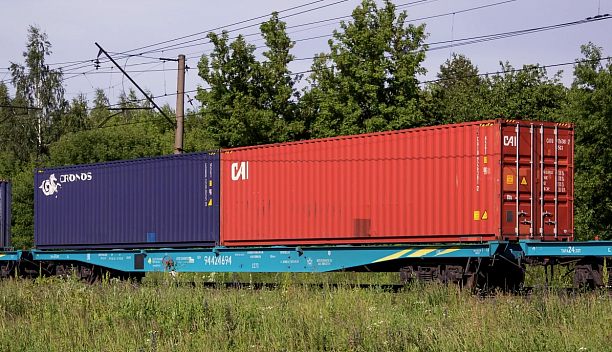
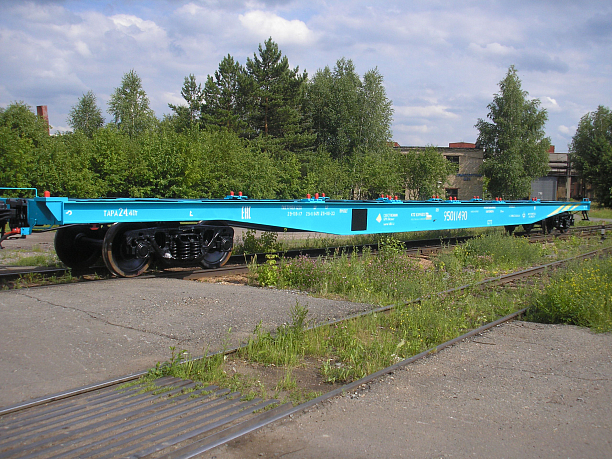
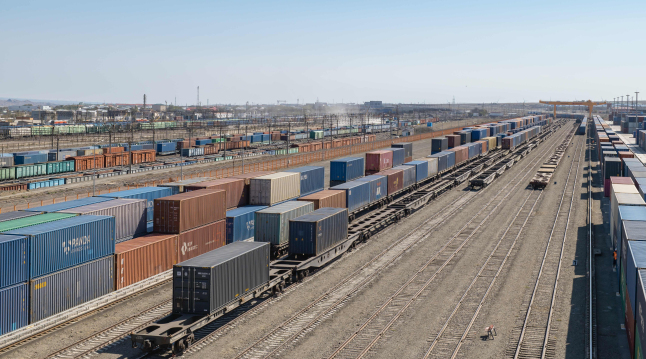
We offer for consideration an infrastructure investment project focused on the acquisition of new 80-foot flat rail platforms for container transportation.
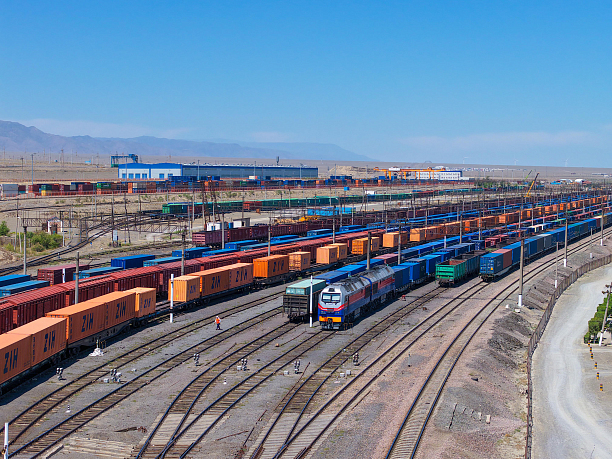
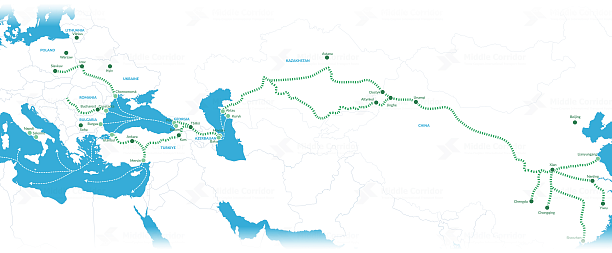
The assets will be operated in the Republic of Kazakhstan as part of international freight trains on the China – Kazakhstan – Europe route, as well as other international corridors.
The investor receives recurring operational income through long-term lease agreements with national and international rail operators, while Rail Asset Management acts as the professional asset and operations manager of the project
Territory of the product or service implementation
Kazakhstan, China, Uzbekistan
Traction and Current Status
The project is ready for launch. At this stage, the following has already been completed:
1. The manufacturer of the rail platforms has been selected and the acquisition cost confirmed.
2. A detailed financial model of the project has been developed.
3. Preliminary agreements have been reached with potential operators regarding long-term lease contracts.
4. Consultations have been held with commercial banks and the DAMU Entrepreneurship Development Fund regarding preferential financing and bank guarantee instruments.
5. The interaction model between all companies involved in the project has been structured.
6. The technical specifications and model of the flat wagon have been approved.
1. The manufacturer of the rail platforms has been selected and the acquisition cost confirmed.
2. A detailed financial model of the project has been developed.
3. Preliminary agreements have been reached with potential operators regarding long-term lease contracts.
4. Consultations have been held with commercial banks and the DAMU Entrepreneurship Development Fund regarding preferential financing and bank guarantee instruments.
5. The interaction model between all companies involved in the project has been structured.
6. The technical specifications and model of the flat wagon have been approved.
Problem or Opportunity
Demand for container transportation via the Middle Corridor is growing rapidly. However, the existing fleet of flat wagons does not fully meet market demand.
The shortage of rolling stock limits throughput capacity and reduces transportation efficiency.
Key market trends:
1. Over the past 5 years, container traffic volumes in Kazakhstan have more than doubled.
In 2024, container transit volumes increased by 62% to 4.5 million tons, with a forecast of 10 million tons by 2027.
2. China–Kazakhstan border crossings increased volumes by 12% to 31.8 million tons.
3. Structural deficit of flat wagons.
4. Expansion and development of new border crossings.
5. Strong support from the state and international institutions (EU, China).
The shortage of rolling stock limits throughput capacity and reduces transportation efficiency.
Key market trends:
1. Over the past 5 years, container traffic volumes in Kazakhstan have more than doubled.
In 2024, container transit volumes increased by 62% to 4.5 million tons, with a forecast of 10 million tons by 2027.
2. China–Kazakhstan border crossings increased volumes by 12% to 31.8 million tons.
3. Structural deficit of flat wagons.
4. Expansion and development of new border crossings.
5. Strong support from the state and international institutions (EU, China).
Solution
The project involves the acquisition of new flat wagons from a certified Kazakh manufacturer, including factory warranties, followed by their deployment into operation under the management of Rail Asset Management.
This solution:
Addresses the shortage of flat wagons,
Supports growing transit and export flows,
Provides investors with a reliable, infrastructure-based income-generating asset.
This solution:
Addresses the shortage of flat wagons,
Supports growing transit and export flows,
Provides investors with a reliable, infrastructure-based income-generating asset.
Customer Segments and Market
The primary clients are large national and international container and rail operators.
Details of specific commercial agreements can be disclosed to interested investors after signing an NDA.
Details of specific commercial agreements can be disclosed to interested investors after signing an NDA.
Revenue Streams and Cost Structure
Revenue sources:
Leasing of rail platforms to operators
Sale of the wagons after 10 years of operation (residual value)
Cost structure:
Technical maintenance and repairs
Insurance
Debt service
Management fee of the operating company
Leasing of rail platforms to operators
Sale of the wagons after 10 years of operation (residual value)
Cost structure:
Technical maintenance and repairs
Insurance
Debt service
Management fee of the operating company
Business Model, Chanells, Metrics
Project duration: 10 years
Total investment (31 wagons): USD 1.64 – 1.80 million
Investor equity (30%): USD 465,000 – 511,500
Bank financing (70%): USD 1.09 – 1.19 million
Deposit requirement (15%): USD 162,750 – 179,025
Additional commissioning costs: USD 93,000
Total ROI (10 years): 210–254%
Annual ROE (excluding asset sale): ~11.5%
Target IRR (USD): 18.0–21.8%
Average DSCR: ~1.6x
Payback period: ~6 years
Total investment (31 wagons): USD 1.64 – 1.80 million
Investor equity (30%): USD 465,000 – 511,500
Bank financing (70%): USD 1.09 – 1.19 million
Deposit requirement (15%): USD 162,750 – 179,025
Additional commissioning costs: USD 93,000
Total ROI (10 years): 210–254%
Annual ROE (excluding asset sale): ~11.5%
Target IRR (USD): 18.0–21.8%
Average DSCR: ~1.6x
Payback period: ~6 years
Competitors and Existing Alternatives
The primary competitors in the market are private and state-owned rolling stock operators that own and operate their own fleets of flat wagons.
Advantages or differentiators
The wagons are offered as an integrated, non-divisible fleet, rather than on a single-unit basis. This approach is operationally efficient both for the lessor and for the lessee and allows for optimized utilization within block train operations.
New or relatively young rolling stock (up to 10 years of service life) is significantly easier to place under long-term lease agreements compared to older assets.
The project is supported by a client-oriented approach and deep market expertise, ensuring efficient asset placement and long-term cooperation with operators.
New or relatively young rolling stock (up to 10 years of service life) is significantly easier to place under long-term lease agreements compared to older assets.
The project is supported by a client-oriented approach and deep market expertise, ensuring efficient asset placement and long-term cooperation with operators.
Risks
Lease Termination Risk
There is a risk of early lease termination or non-renewal by the operator due to market or operational factors.
Mitigation:
Each lease agreement includes a security deposit provided by the lessee.
In the event of early termination, the deposit is used to cover costs related to wagon repositioning, transfer, and redeployment to a new lessee.
Any remaining amount is either treated as additional income or allocated to a maintenance reserve fund for scheduled repairs.
Damage During Loading / Unloading
Rail wagons may be damaged during loading or unloading operations.
Mitigation:
Responsibility for such damage lies with the shipper or consignee in accordance with standard rail transport regulations and contractual terms.
Claims are handled through established liability and insurance mechanisms.
Derailment Risk
There is a low-probability risk of derailment during rail operations.
Historical statistics indicate an annual probability of approximately 0.01–0.02% per wagon.
Mitigation:
If derailment is caused by railway infrastructure or traffic management, liability rests with the railway authority.
If caused by a technical defect of the wagon, an official investigation determines responsibility, which may lie with the manufacturer, the repair depot, or, in limited cases, the asset owner.
New wagons are acquired from a certified manufacturer and maintained according to approved technical standards, reducing technical failure risk.
Asset Ownership & Control Risk
Legal ownership and control over rolling stock are critical for investor protection.
Mitigation:
The rolling stock is registered exclusively in the name of the investor’s company, and the investor remains the direct legal owner of the assets throughout the investment period.
This structure provides full ownership rights and transparency of asset control.
Operational Risk
Operational inefficiencies or mismanagement could negatively affect cash flows.
Mitigation:
All day-to-day operational, technical, and commercial management is performed by a professional operating and management company with market experience and established relationships with major operators.
The investor is not involved in operational execution and participates only at the financial and governance level.
Summary
The project’s risk profile is characteristic of long-term infrastructure assets and is mitigated through a combination of contractual protections, professional asset management, conservative operational assumptions, and direct asset ownership by the investor.
There is a risk of early lease termination or non-renewal by the operator due to market or operational factors.
Mitigation:
Each lease agreement includes a security deposit provided by the lessee.
In the event of early termination, the deposit is used to cover costs related to wagon repositioning, transfer, and redeployment to a new lessee.
Any remaining amount is either treated as additional income or allocated to a maintenance reserve fund for scheduled repairs.
Damage During Loading / Unloading
Rail wagons may be damaged during loading or unloading operations.
Mitigation:
Responsibility for such damage lies with the shipper or consignee in accordance with standard rail transport regulations and contractual terms.
Claims are handled through established liability and insurance mechanisms.
Derailment Risk
There is a low-probability risk of derailment during rail operations.
Historical statistics indicate an annual probability of approximately 0.01–0.02% per wagon.
Mitigation:
If derailment is caused by railway infrastructure or traffic management, liability rests with the railway authority.
If caused by a technical defect of the wagon, an official investigation determines responsibility, which may lie with the manufacturer, the repair depot, or, in limited cases, the asset owner.
New wagons are acquired from a certified manufacturer and maintained according to approved technical standards, reducing technical failure risk.
Asset Ownership & Control Risk
Legal ownership and control over rolling stock are critical for investor protection.
Mitigation:
The rolling stock is registered exclusively in the name of the investor’s company, and the investor remains the direct legal owner of the assets throughout the investment period.
This structure provides full ownership rights and transparency of asset control.
Operational Risk
Operational inefficiencies or mismanagement could negatively affect cash flows.
Mitigation:
All day-to-day operational, technical, and commercial management is performed by a professional operating and management company with market experience and established relationships with major operators.
The investor is not involved in operational execution and participates only at the financial and governance level.
Summary
The project’s risk profile is characteristic of long-term infrastructure assets and is mitigated through a combination of contractual protections, professional asset management, conservative operational assumptions, and direct asset ownership by the investor.
Presence of invention or patent
No
Money will be spent on
The investment involves the acquisition of a fleet of 31 flat wagons.
The minimum investment size is 31 wagons, with the possibility to increase the investment in multiples of the base fleet size.
The minimum investment size is 31 wagons, with the possibility to increase the investment in multiples of the base fleet size.
Offer for investor
The investor is offered participation in a long-term infrastructure project in the field of international container rail transportation in Central Asia.
Investment is made through the investor’s own legal entity in the form of equity participation.
The financing structure consists of 70% bank debt and 30% investor equity.
All operational, technical, and commercial management of the assets is handled by a professional operating and management company.
The investor’s role is financial and governance-focused, without involvement in day-to-day operations, making the investment operationally passive.
Investment is made through the investor’s own legal entity in the form of equity participation.
The financing structure consists of 70% bank debt and 30% investor equity.
All operational, technical, and commercial management of the assets is handled by a professional operating and management company.
The investor’s role is financial and governance-focused, without involvement in day-to-day operations, making the investment operationally passive.
Team or Management
Presentation
Photos